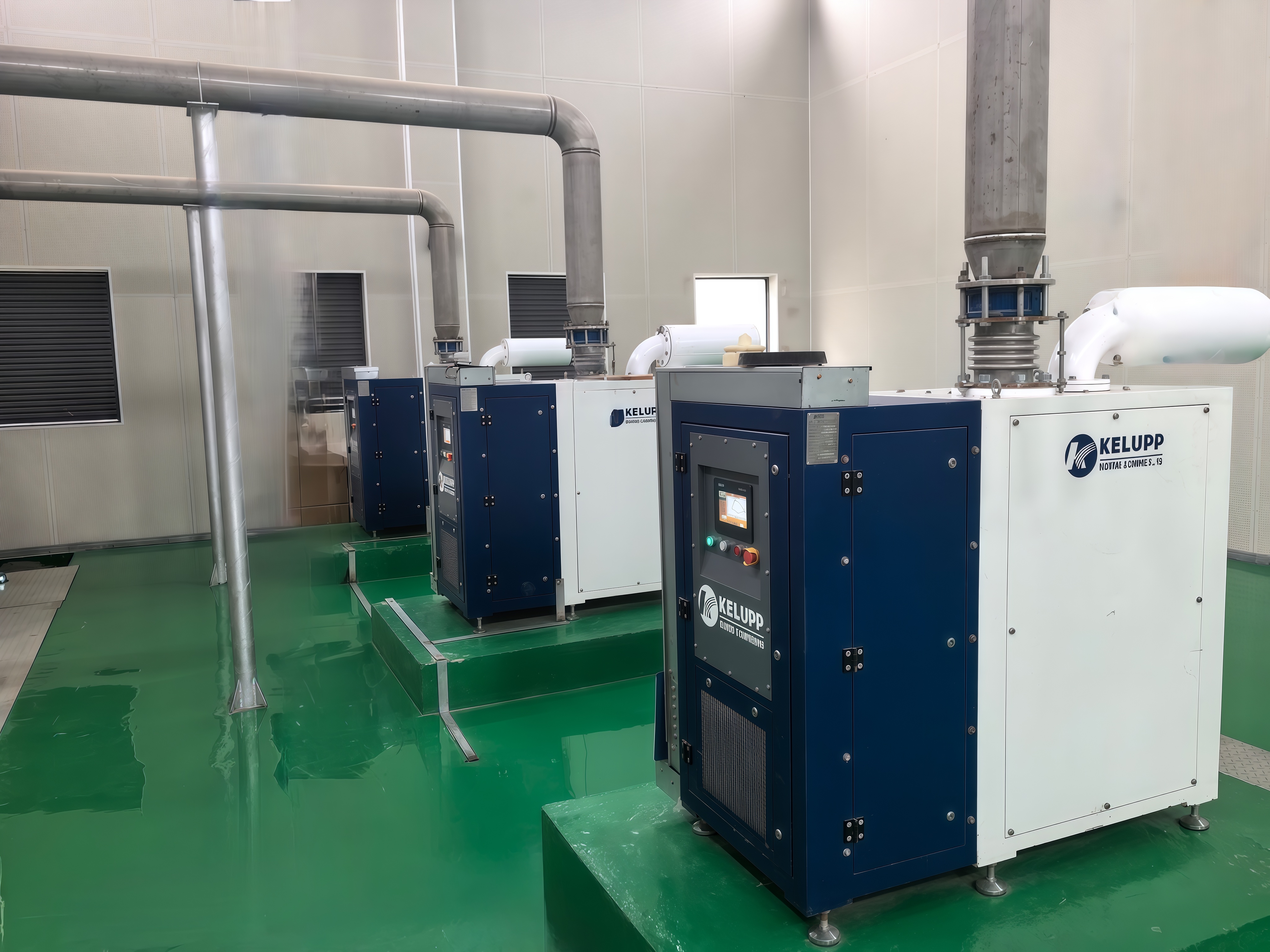

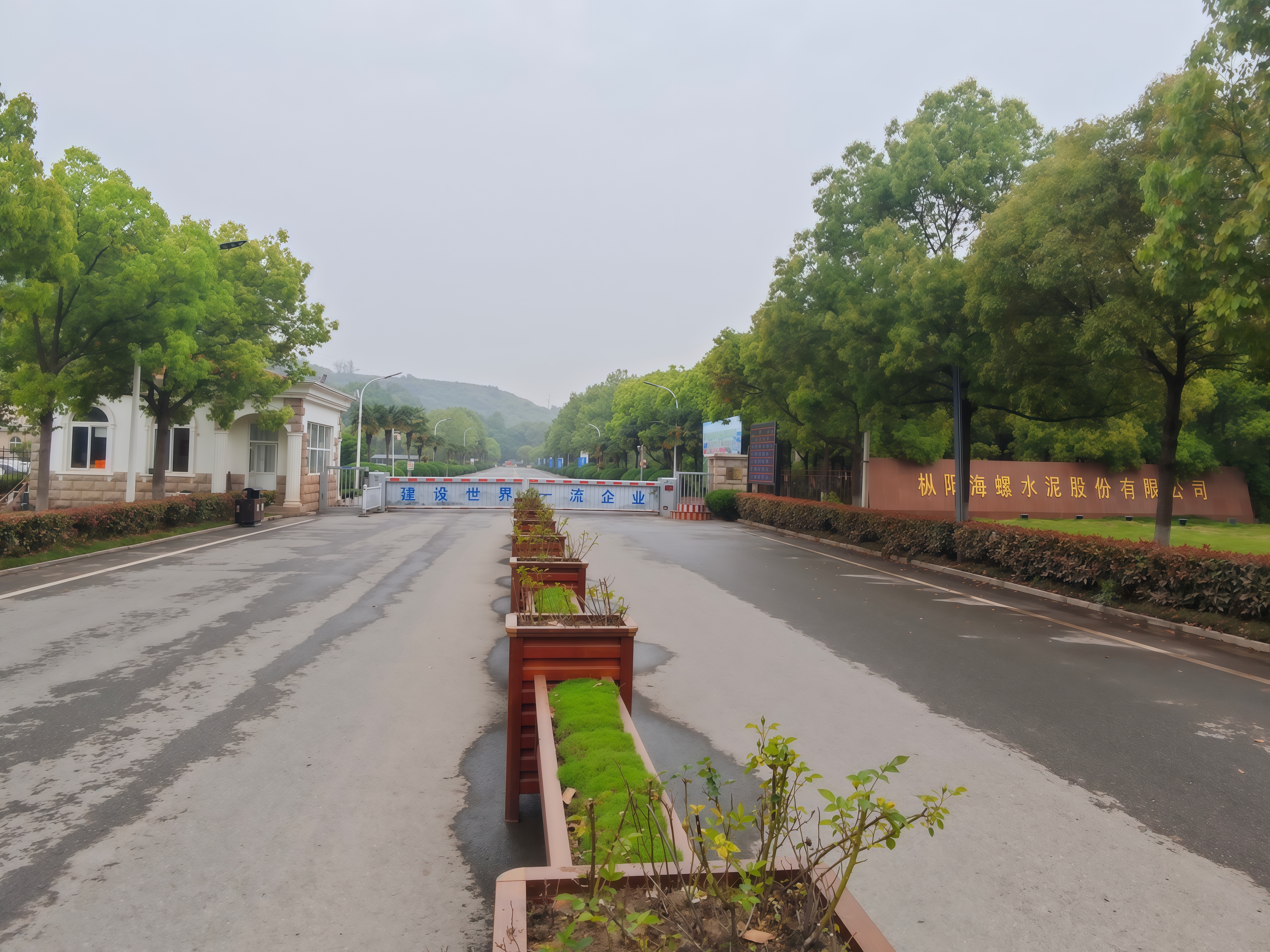
Zongyang Conch Cement Energy-Saving Renovation Project
On the banks of the Yangtze River in Zongyang, Anhui, stands a production base of Conch Cement, a giant in the global cement industry. Here, machines roar and kilns burn endlessly, day after day, performing the magical process of transforming ore into the cornerstone of modern architecture. However, behind this grand industrial landscape, a quiet battle over "energy consumption" is underway. As a typical energy-intensive industry, every link in cement production carries the dual pressure of cost and environmental protection. Among these, the blower systems that provide power for key processes such as raw meal homogenization, kiln inlet and outlet coal powder conveying, and pneumatic conveying have become the core focus of energy consumption optimization due to their large numbers and continuous long-term operation. Zongyang Conch set its sights on a deep energy-saving renovation aimed at solving the power dilemma in high-dust, continuous production scenarios.
When Traditional Power Meets Harsh Operating Conditions
Before introducing the new technology, many production processes at Zongyang Conch relied on traditional Roots blowers for air supply. In the special environment of cement production, the challenges faced by these devices are highly representative of the industry.
The dust concentration in cement plants is extremely high. Precision components of traditional blowers, such as gearboxes and bearings, are vulnerable to dust ingress, leading to lubricant contamination, increased wear, significantly shortened equipment lifespan, and rising failure rates. Cement production is a 24/7 continuous process industry. Any unplanned downtime of critical power equipment can cause interruption of the entire production line, resulting in huge economic losses. The complex mechanical structure and high failure rate of traditional blowers are a major concern for production continuity.
Roots blowers have a steep operating efficiency curve, with efficiency dropping sharply when deviating from rated conditions. Actual production air demand often requires adjustment, leading to substantial electrical energy waste through throttling losses and mechanical internal losses. The accumulated power consumption of dozens or even hundreds of blowers represents a heavy burden on production costs. At the same time, regular replacement of lubricating oil and filter elements, as well as maintenance of bearings, gears, and seals, are high-intensity, high-frequency tasks. Performing precision maintenance in a dusty environment is not only challenging due to poor working conditions but also requires significant professional manpower, resulting in high maintenance costs.
Krupp Air Suspension Blower's Breakthrough Solution
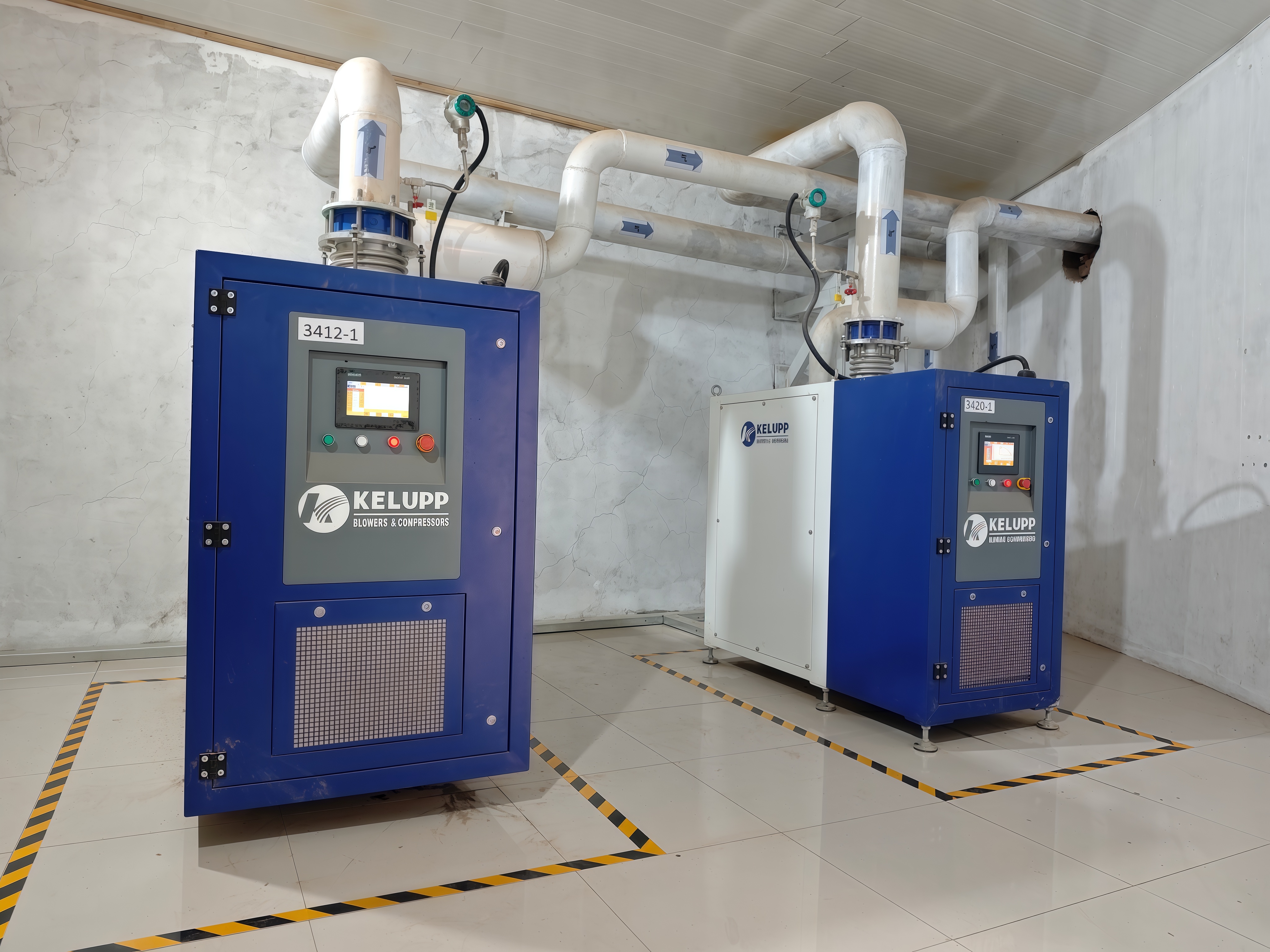
After rigorous technical论证 (evaluation) and on-site investigation, Zongyang Conch Cement ultimately decided to take the lead in introducing four Krupp 37KW air suspension centrifugal blowers for a pilot renovation in key production sections.
The core rotor of the air suspension blower is supported by an air film from the air foil bearings, achieving 100% non-contact, frictionless operation. This revolutionary design fundamentally eliminates the risk of bearing failure caused by lubricating oil contamination in dusty environments. The high-efficiency permanent magnet synchronous motor provides direct drive, eliminating intermediate transmission components such as gearboxes and couplings, resulting in an extremely simplified structure. This not only avoids transmission losses but also greatly reduces the number of mechanical interface points where dust can侵入 (infiltrate), significantly improving reliability.
For the high-dust environment of cement plants, Krupp blowers employ an efficient, easy-to-maintain intake filtration system, combined with an internal oil-free, fully enclosed design, effectively resisting dust erosion and ensuring the foundation for long-term stable operation of the equipment. Compared to line-frequency-driven Roots blowers, Krupp blowers have an outstanding efficiency advantage under partial load conditions. Their intelligent adjustment function avoids the "big horse pulling a small cart" phenomenon and throttling losses, converting electrical energy directly into effective pneumatic power, thus greatly improving overall energy efficiency.
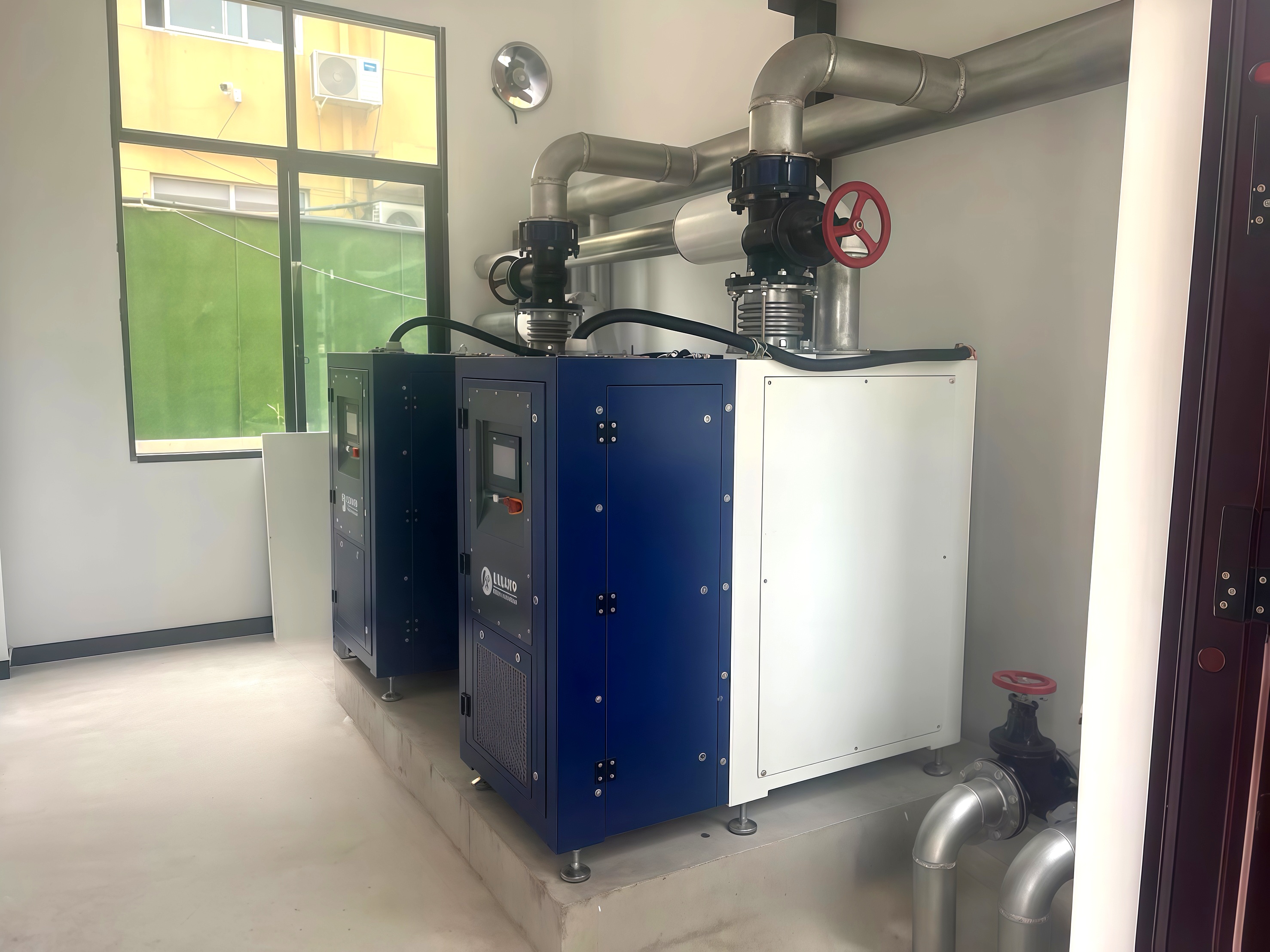
After the four Krupp air suspension blowers were put into operation at Zongyang Conch, their performance quickly won recognition from the production front, demonstrating simultaneous economic and environmental benefits. Through同期对比 (comparison over the same period) and precise measurement, under the premise of meeting the same production process air volume requirements, a single Krupp 37KW blower achieved an average power saving rate of over 31% compared to the original Roots blower of the same power. Since commissioning, the equipment has operated smoothly without any unplanned downtime caused by the blowers themselves. The stable output air pressure has effectively supported the stable control of relevant process links and improved the overall operating rate of the production system. Annual maintenance costs (including consumables) have decreased by approximately 80%; maintenance man-hours have been saved by over 90%. Equipment management personnel can now devote more energy to system optimization and preventive maintenance strategies.
Reshaping the "Green Power Heart" of the Cement Industry
When carrying out energy-saving renovations in the cement industry, it is necessary not only to calculate the economic benefits but also to consider the long-term reliability of the equipment and its adaptability to harsh environments. The "robust construction" and stable performance demonstrated by Krupp air suspension blowers in high-dust environments have completely solved the pain points and difficulties of air supply in the cement industry.
The energy-saving renovation project at Zongyang Conch Cement is far more than a simple replacement of four blowers. It marks that cement, a traditional basic industry, is actively embracing cutting-edge power technology to solve the chronic problems of high energy consumption and high maintenance costs. With its outstanding features of oil-free operation, maintenance-free, high efficiency, energy savings, robustness, and reliability, Krupp air suspension blowers perfectly adapt to the extreme operating conditions of cement production — high temperature, high dust, and continuous operation — successfully withstanding the severe tests of the industrial site.